
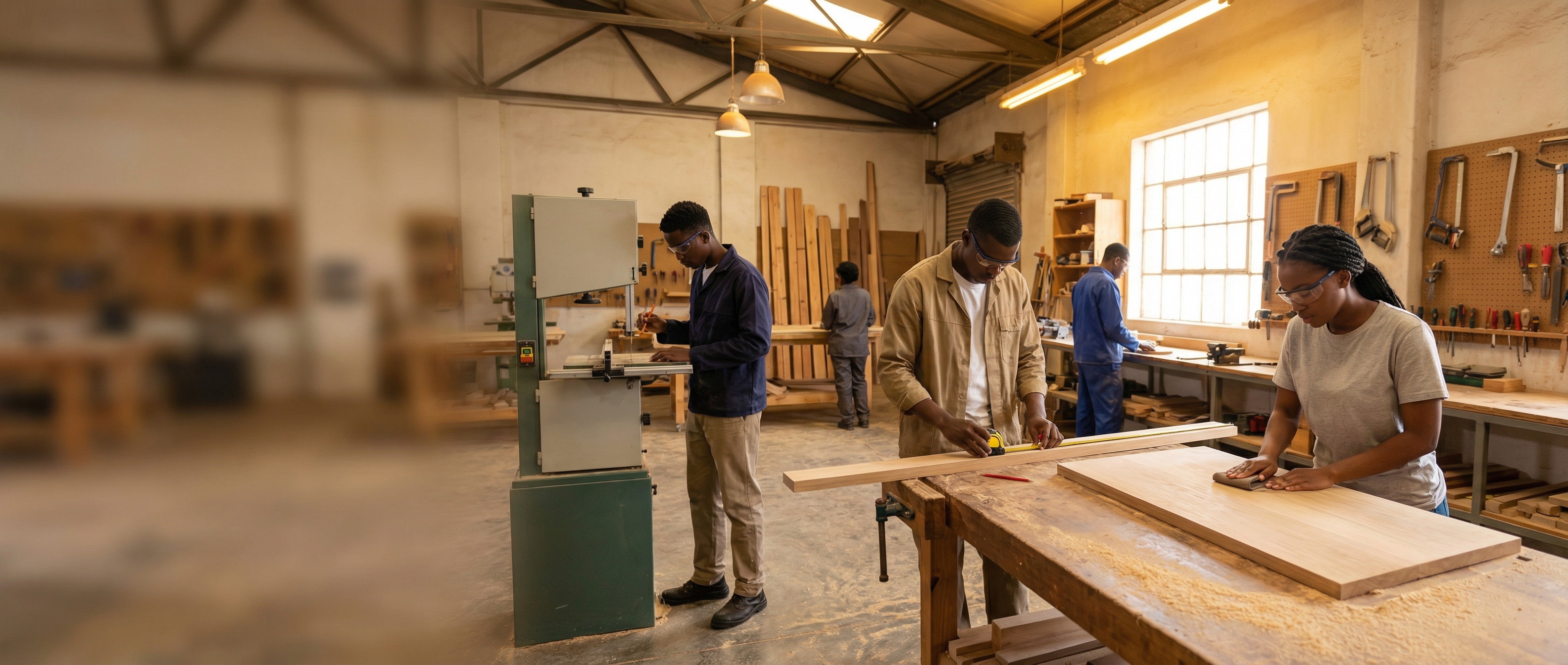
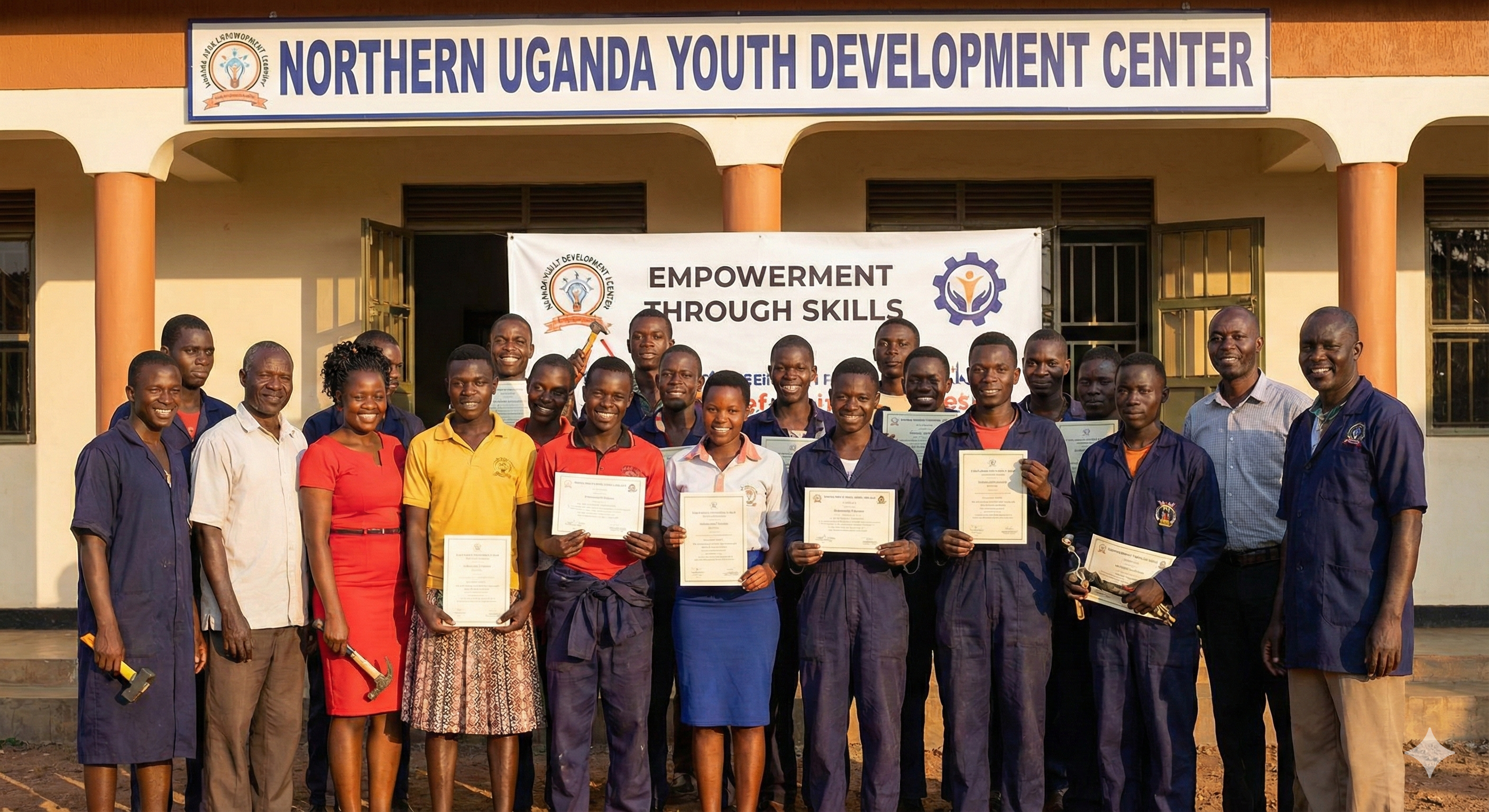
Technical and vocational education is redefining the future of young people by offering skills that lead directly to employment, entrepreneurship, and sustainable livelihoods. This article discusses how practical training is shaping empowered individuals and strengthening local economies across Northern Uganda and beyond.
Technical Education as a Catalyst for Youth Empowerment and Economic Transformation
In the current economic landscape, technical education has moved from being a secondary option to a primary driver of development and employment. The modern world no longer rewards classroom theory on its own. It values individuals who can apply knowledge with their hands, interpret real challenges, and offer practical solutions that make communities function better. For young people seeking an authentic path to self-reliance and empowerment, technical education represents a foundation upon which lasting personal and economic progress can be built.
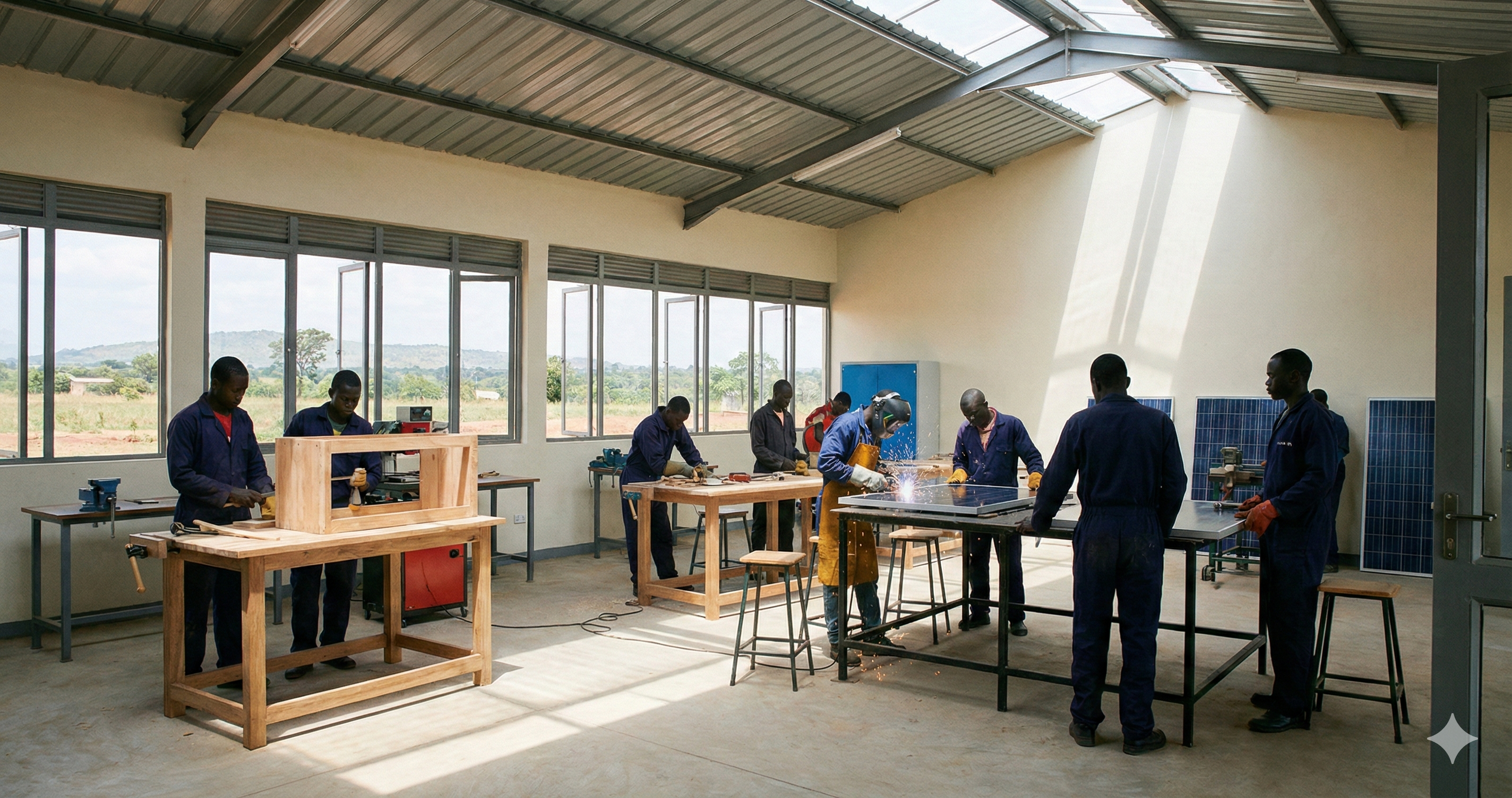
Unlike purely academic instruction, technical training focuses on developing real competencies in fields such as automotive engineering, welding, ICT, tailoring, electrical installation, carpentry, renewable energy, and many others. These disciplines offer a direct path from education into practice, eliminating the long waiting period that many graduates face before securing opportunities. When a young person can repair an engine, build a piece of furniture, install a solar power system, or design a digital product, earning potential is not tied to the availability of salaried jobs. Their skill itself becomes a gateway to income and dignity.
This shift is particularly important in regions like Northern Uganda, where formal employment opportunities are limited and the demand for skilled technical services continues to rise. Communities need technicians, artisans, and builders every single day, and the gap between demand and supply opens new opportunities for the next generation of trained youth. A skilled mechanic or electrician can generate a stable income with minimal start-up capital, while a trained ICT student can leverage digital tools to serve multiple clients without geographical limitations. In this way, technical education does more than prepare graduates for jobs; it equips them to shape their own futures.
The transformative nature of hands-on learning is rooted in the way students engage with knowledge. Instead of memorizing definitions and theories, learners interact with materials, tools, machines, and real scenarios that deepen understanding. Knowledge gained in this way becomes practical, permanent, and adaptable. A student who learns to troubleshoot a real electrical fault or diagnose a computer problem gains not only technical expertise but also the confidence and resourcefulness that employers consistently seek. When they graduate, they are not asking what to do next—they already know.
Communities also benefit immensely when young people possess such skills. Instead of relying on technicians from major cities, local businesses, institutions, and households can access expertise within their own environment. The money that would have been spent elsewhere stays within the community, circulating among local families and enterprises. Technical education also supports the creation of small businesses, which over time begin hiring others and creating secondary opportunities. One trained student can become the founder of a workshop, salon, garage, or digital consultancy, and their growth becomes a ripple that supports many others. This community-focused economic growth is how technical education contributes to long-term development.
Unfortunately, outdated perceptions still cause many families to view technical education as a lesser path compared to academic degrees. Yet internationally, the world’s strongest economies have achieved their status by investing heavily in vocational skills. Countries like Germany, South Korea, China, and Japan treat technical education as the backbone of national development. They understand that engineers need technicians, architects need builders, and innovations require skilled people who can translate ideas into reality. The truth is simple: no economy rises on theory alone. Progress is built through skilled hands guided by informed minds.
For young people, choosing a technical path is not settling for less—it is choosing a practical and empowered future. It is choosing a route where growth is determined by skill, effort, and creativity rather than waiting for scarce office jobs. It is choosing the ability to solve problems that matter, to serve real human needs, and to build a life anchored in competence and economic independence.
As more institutions strengthen their training facilities, improve teaching approaches, and partner with industries, technical education will continue to evolve. When learning incorporates real equipment, real environments, and real clients, students graduate with the mindset and ability to compete in local, regional, and international markets. The world is increasingly open to freelancers, artisans, digital workers, and skilled technicians who can deliver results without needing an office.
Technical education stands today as one of the most powerful tools for transforming the lives of young people. It offers dignity, opportunity, and a direct staircase toward self-sustaining careers. It strengthens communities, reduces unemployment, and stimulates economic growth from the ground up. At its core, technical training turns young people into contributors, creators, problem-solvers, and professionals capable of shaping their own destinies.
The future belongs to those who can combine knowledge with capability. Technical education makes this possible.

Amito Moreen Eunice says:
In the current economic landscape, technical education has moved from being a secondary option to a primary driver of development and employment.
Okello Juma says:
This is the best